Walk onto any kind of court, oval, or fitness center in Osborne Park on a weekend break and you will certainly see the same thing: children pushing their restrictions, adults chasing after individual bests, trains and trainers juggling efficiency, motivation, and safety and security. The majority of days the most awful you will handle is a twisted ankle joint or a bruised ego. Every now and then, though, sporting activity turns severe extremely quickly.
I have actually invested years around area sport and specialist programs, and the pattern is constantly the same. The outcome of a significant case hardly ever boils down to fancy devices or medical lingo. It boils down to the first 5 mins and what the instructor or fitness instructor really does.
If you trainer a group, run a health club, or work as a personal trainer in Osborne Park, strong first aid skills are not a good added. They are core to your duty, as essential as program style or match tactics.
This overview unloads the must-have first aid abilities for sports instructors and instructors, and how quality emergency treatment training in Osborne Park can construct those skills in a practical, confidence-building way.
Why emergency treatment skills matter so much in sport
There are two tough realities that every trainer eventually learns.
First, severe incidents are uncommon, however not uncommon enough. Cardiac arrests on the field, major cracks, spine injuries, warmth stroke, and serious allergic reactions do happen in neighborhood sport. I have actually seen each of these at least as soon as, typically on what was implied to be a regular session.
Second, when something significant happens, you will not have time to look policies or watch a video. You will certainly fall back on whatever you have actually practiced. If your only exposure to CPR or bleeding control was an apathetic training course one decade ago, that is what your mind will certainly give you.
The distinction in between a train that has kept their emergency treatment and CPR training fresh and one who has not is apparent in an emergency. The ready trainer:
- Recognises the seriousness earlier. Takes cost of the scene. Delegates clearly. Starts effective emergency treatment within seconds, not minutes.
That home window is important. With cardiac arrest, every minute without CPR and defibrillation can drop survival possibilities by 7 to 10 percent. With heavy blood loss or anaphylaxis, hold-up means extra shock, more damage, and longer healing, even if the person survives.

The kinds of emergencies trainers in Osborne Park in fact see
Textbooks tend to different problems neatly. Fact on the sideline is messier. Here is what generally shows up in local sport settings.
Sudden heart attack and collapse
It is simple to think of cardiac arrest as an older person's problem, however sporting activity adds one-of-a-kind dangers. Undiagnosed heart conditions, energizers, dehydration, and sheer effort all incorporate. Many coaches I know who have encountered a collapse will certainly inform you they nearly waited as well long due to the fact that the person "resembled they just fainted".
The essential skill right here is not just breast compressions. It is identifying that somebody is unresponsive and not breathing normally, and afterwards making the leap from "this is terrifying" to "this is heart attack, start mouth-to-mouth resuscitation and send for the AED currently".
Head knocks and possible concussion
Contact sport, interior courts, and even cross-training sessions all bring a blast threat. The complicated component is that players usually reduce signs and symptoms. They intend to stay in the game or complete the set.
You require a functional strategy:
- Notice changes in behavior, balance, and speech. Ask simple, targeted concerns, not made complex tests. Enforce a "when unsure, rest them out" guideline and stick to it, even in finals.
Formal trauma medical diagnosis belongs with a doctor, yet early recognition and elimination from play is your responsibility.
Fractures, misplacements, and soft cells injuries
Every coach has managed rolled ankles and strained hamstrings. Where it becomes extra severe is when a joint looks flawed, a bone might be broken, or the wounded individual can not move without severe pain.
The trick abilities right here are:
- Calm, marginal motion of the hurt area. Support with splints or improvised padding. Recognising when something may entail the neck, back, or pelvis, which changes every little thing regarding exactly how you move the person.
This is where a solid first aid course in Osborne Park settles. Good training does not simply reveal you diagrams, it gives you the feel of what safe assistance and positioning in fact look like.
Breathing problems, bronchial asthma, and anaphylaxis
Osborne Park has a huge jr sporting community, which suggests bronchial asthma and allergies are always behind-the-scenes. Both emergencies trainers must recognise promptly are:
Asthma attack that is not reacting to normal medicine. Long, dragged out wheeze, difficulty finishing sentences, and Click for more info expanding distress are red flags.
Anaphylaxis, typically from food, insect stings, or medication. It starts with swelling, hives, or throat rigidity and can advance quickly to breathing difficulty and collapse.
In both instances, early action is everything. In an effectively run emergency treatment and mouth-to-mouth resuscitation training course in Osborne Park, you need to get hands-on exercise with spacers, inhalers, and EpiPens, not just theory.
Heat illness and dehydration
Perth summertimes are ruthless, and even spring and autumn can be hotter than several seeing groups expect. Trains and trainers in Osborne Park routinely take care of:
- Heat exhaustion - lightheadedness, nausea, headache, heavy sweating, and fatigue. Heat stroke - complication, feasible collapse, hot completely dry or very sweaty skin, and a clinical emergency.
You need to be able to identify someone who just requires a rest and fluids from a person relocating right into harmful warm anxiety. Air conditioning approaches, shaded remainder areas, and customized training are part of emergency treatment too.

Core emergency treatment abilities every trainer need to have mastered
You can not specialise in only "sport-specific" emergency treatment. Emergencies in showing off settings vary from heart attacks in viewers to choking at the canteen. A solid base of basic abilities is non-negotiable.
Calm scene analysis and safety
Rushing in without a fast check is exactly how helpers end up being added casualties. In practice, an excellent trainer develops a routine:
First, pause for 2 or 3 secs and look for threats: relocating automobiles, loose tools, recurring play, electric dangers, aggressive behaviour.
Second, determine whether you can make the scene more secure by quiting play, relocating other athletes away, or rearranging equipment.
Third, just after that go hands-on, with gloves if they are available.
Good emergency treatment training in Osborne Park spends real time on these fundamentals rather than playing down them. It feels sluggish in course but it makes you much faster and more secure in the genuine event.
Calling for help effectively
Almost every case I examine officially or informally has the very same stumbling block: the telephone call to emergency solutions was delayed, unclear, or both.
You needs to be comfortable doing 2 things quickly:
- Direct a certain person to call 000 and report back. Give an exact location, consisting of accessibility points, gates, or spots. For instance, "northern end of the main oval at [venue name], off [street], utilize gate 2 near the club rooms".
If you run a venue or club, stroll it as if you are a rescue crew: where would certainly you park, what would obstruct a stretcher, what signage is confusing? Include that right into your emergency situation plan.
CPR that is present and confident
CPR is the ability no one wants to use yet everybody needs to have. Guidelines change over time, and muscle memory fades. That is why trains and trainers are highly encouraged to take a CPR correspondence course Osborne Park based a minimum of every 12 months.
An excellent CPR training Osborne Park program will certainly:
- Teach you to swiftly examine responsiveness and breathing without throwing away time. Drill the right compression deepness and price utilizing responses mannequins, not guesswork. Show you just how to integrate breaths successfully, or switch to hands-only CPR if appropriate. Practise utilizing an AED until it feels regular, not frightening.
Look for first aid and CPR courses Osborne Park service providers that put you via sensible situations: a collapse on the sideline, in a confined health club, or on a tough exterior court. CPR on a carpet classroom flooring is far better than absolutely nothing, but it is not what you will face.
Using AEDs with confidence
Osborne Park sports precincts, gyms, and community places are progressively outfitted with AEDs. The modern technology is uncomplicated, but doubt still sets you back time.
Your objective is to be the individual who can claim with authority, "Obtain the AED from the club space wall" and afterwards position the pads, comply with the motivates, and clear everybody without panicking.
Any major first aid training in Osborne Park ought to include AED make use of as basic, not as an add-on. If the training course you are considering does not, maintain searching.
Bleeding control and wound care
Sport includes metal goalposts, sharp corners, and high-speed accidents. Cuts, abrasion, and deeper lacerations are common. From a trainer's viewpoint, 3 concerns issue:
Control the blood loss. Firm, direct pressure with a pad or plaster. If blood soaks through, include more layers instead of regularly eliminating the first one.
Protect against infection. Clean around the injury where feasible, stay clear of touching it directly, and outfit it properly.
Know when bleeding is deadly. Intense red, streaming blood or saturating plasters quickly mean you might be handling arterial blood loss. That shifts your urgency and warrants an instant 000 phone call, even if the individual urges they are "fine".
Managing believed neck and spine injuries
It just takes one awkward loss, dive, or take on to turn a regular game into a believed spinal incident. The guideline is straightforward: if the device of injury is worrying and the individual has neck discomfort, unusual prickling, or weak point, treat it as a prospective spine injury till tried and tested otherwise.
Your work is not to identify. Your task is to:
Keep the individual still, particularly their head and neck.
Prevent others from crowding, training, or dragging them "off the beaten track".
Support the head in accordance with the spine without applying force.
Wait for paramedics unless the atmosphere is clearly dangerous and you should move them.
Practical emergency treatment courses Osborne Park based must give you hands-on technique in manual in-line stabilisation and safe movement strategies, also in a standard degree course.
Recognising clinical conditions that turn up in sport
Many athletes, even juniors, train and contend while handling bronchial asthma, diabetic issues, epilepsy, or heart conditions. Instructors and fitness instructors do not require to be experts, yet you do require functioning knowledge.
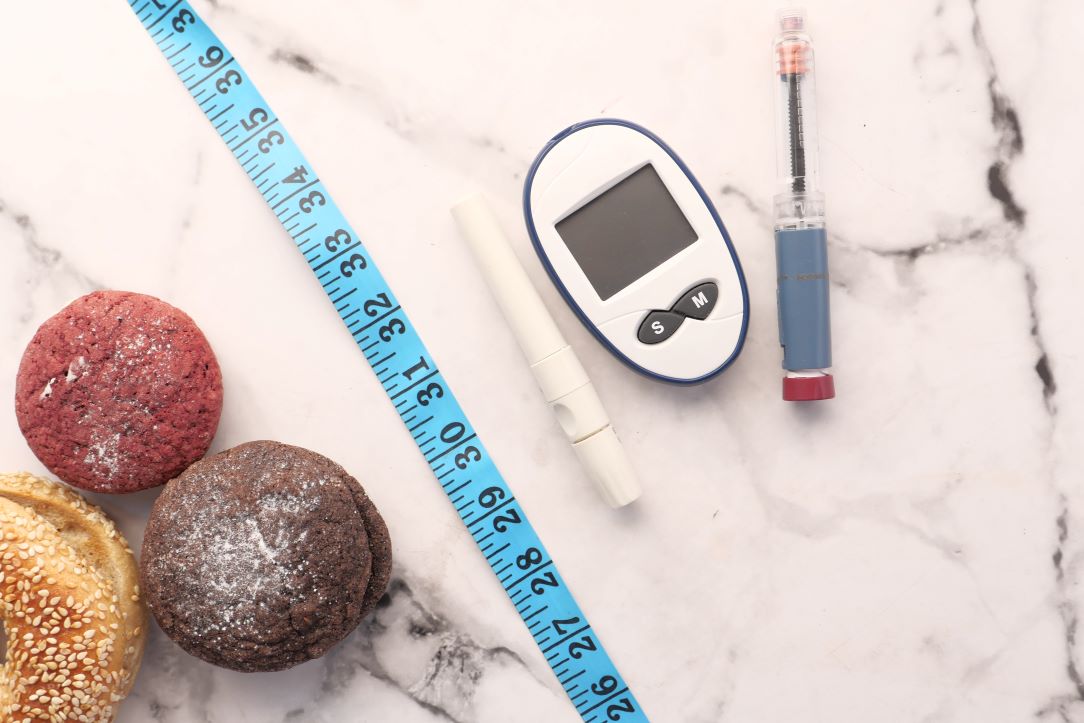
For instance, with a diabetic person athlete you have to understand exactly how to identify reduced blood sugar level: shakiness, complication, sweating, weak point, and often uncommon behaviour. Understanding when to give fast-acting carbs and when to require urgent help can stop a complete collapse.
With epilepsy, comprehending the difference in between a regular known seizure pattern and something extended or different guides your decision to intensify. Great emergency treatment and CPR Osborne Park programs now generally weave these scenarios into training for sport-focused participants.
Building a functional emergency situation action prepare for your team or facility
Skills imply even more when they rest inside a clear plan. In my experience, the groups and fitness centers that handle emergency situations best have actually thought through the basics before something goes wrong.
Here is a simple, field-tested structure for a sporting activities emergency action strategy:
Who takes charge in an emergency if the head coach is the one injured or unavailable. Where the first aid package, AED, and emergency situation contact checklist are stored, and who inspects them weekly. How the address, essential sites, and gate codes are shown so any type of adult can route an ambulance in. What the "stop play" signal is and that has authority to utilize it across multiple areas or courts. How events are documented afterwards, consisting of witness information and actions taken.That is a whole lot to hold in your head, so put it on a one-page sheet in your package and in the club spaces. Walk new aides and volunteers through it pre-season. Rehearse it briefly prior to significant events.
Choosing the right first aid training in Osborne Park
Not all programs are equal. If you are a sporting activities instructor or instructor, you want something that fits your actual atmosphere, not just a generic tick-the-box course.
When you take a look at Osborne Park first aid courses, assess them against a few practical questions.
Does the provider understand sporting activity settings? Inspect whether they point out circumstances like on-field cases, change area collapses, and Osborne Park first aid course gym atmospheres. A provider such as Emergency treatment Pro Osborne Park, for example, frameworks many of its sessions with work environments and sporting activities in mind, which is far more relevant than totally office-based scenarios.
Is CPR training Osborne Park based and hands-on, or mostly theory? You desire time on the flooring, practicing compressions and AED make use of with responses, not simply enjoying slides.
Can you integrate a first aid and CPR course Osborne Park in eventually? For numerous trains juggling work and family, single-day first aid and CPR courses Osborne Park broad are even more sensible than different bookings.
Will you entrust to an across the country identified first aid certificate Osborne Park employers and clubs accept? Inspect the certification status and whether the material aligns with existing Australian Resuscitation Council guidelines.
Is there a clear reminder or pathway for a yearly CPR refresher course Osborne Park area convenient? Some providers provide structured refresher course sessions so you maintain skills fresh without duplicating every little thing from scratch.
If a training course really feels hurried, crowded, or heavily sales-focused, trust fund your instincts. Quality emergency treatment training Osborne Park large should really feel calm, structured, and functional. You need to leave weary in a good way, like after a strong training session.
Integrating emergency treatment into your everyday coaching
The finest trainers and trainers do not treat first aid as a different box. They fold safety and security and readiness right into their regular practice.
During pre-season, make clinical details types and emergency situation calls non-negotiable. Inquire about bronchial asthma, allergic reactions, epilepsy, diabetes, cardiac background, and present medicines. Encourage athletes to inform you very early as opposed to attempting to be "difficult".
At the start of a period or program, walk the group via where the emergency treatment set and AED are. Explain that is Osborne Park emergency treatment educated, and who has CPR Osborne Park certification. This normalises security and may prompt other volunteers to upskill.
During warm durations, readjust work, routine extra water breaks, and educate professional athletes just how to identify very early warmth illness in themselves and colleagues. Avoidance is a type of initial aid.
After any occurrence, also a minor one, debrief briefly. What functioned, what was complicated, what tools was hard to locate? After that adjust your setup, kit, or strategy accordingly.
Over time, this builds a culture where first aid is not just the instructor's secret obligation. It becomes common understanding across the group.
How typically should trainers upgrade their training?
A typical concern from active trainers is "How often do I truly need to redesign this?" From a sensible point ofview:
CPR ought to be revitalized at least yearly. Pressing to the right deepness and price, handling fatigue, and incorporating breathing and AED use is physical, not simply psychological. Without technique, technique slips.
Full emergency treatment courses in Osborne Park are typically restored every 3 years, yet numerous trainers select a shorter cycle due to the exposure and responsibility they lug, particularly in get in touch with or high-intensity sports.
If your club or health club can collaborate group reservations with an Osborne Park emergency treatment training service provider, you can turn it right into an annual fixture, similar to pre-season screening or accreditation updates. Learning together with your coaching group additionally makes situations much more realistic and develops shared confidence.
What a "good day" of first aid looks like
Coaches in some cases inform me they seem like their training was "squandered" since they never needed to make use of the remarkable abilities, like CPR or spine management. I always push back delicately on that idea.
On a great day, strong first aid understanding implies:
You notification early signs of warm illness and change the session, so nobody collapses.
Your athletes count on you sufficient to state upper body tightness or unusual dizziness, and you send them for evaluation as opposed to ignoring it.
You take care of a horrible cut swiftly and smoothly, so the remainder of the team stays focused and the damaged player really feels cared for, not panicked.
You impose a concussion sit-out policy regularly, also when gamers objection, avoiding 2nd effect risks.
You run a pre-season bronchial asthma check-in, and because of this, one professional athlete updates their activity strategy and inhaler, preventing an attack later.
None of that makes headings, however it is exactly what skilled, certain trainers and trainers do as component of their normal technique. The dramatic conserves are just the visible pointer of a much bigger iceberg of avoidance, very early recognition, and tranquil response.
Bringing everything together in Osborne Park
If you coach, manage, or train athletes in this area, you rest near to a number of high-quality options for emergency treatment course Osborne Park based training. Whether you select a small CPR course Osborne Park session or a comprehensive Osborne Park first aid course that blends emergency treatment and CPR Osborne Park web content, the goal coincides: to turn vague concern right into specific, practiced skill.
Look for programs that seem like they belong on your sideline or in your health club, not in a generic conference room. Insist on a lot of situation method, real conversation of regional risks, and possibilities to ask "What if it takes place such as this?" based upon your very own sport.
When you following update your certification, reward first aid training Osborne Park sessions as an equal companion to methods, shows, and professional athlete growth. Your athletes and clients are trusting you with their performance, however likewise with their safety. With the best training and state of mind, you will be ready when it counts.
FirstAidPro – Osborne Park Osborne Park Bowling Club, 31 Park St, Tuart Hill WA 6060 Phone: (08) 7120 2570 Website: firstaidpro.com.au FirstAidPro – Osborne Park is one of Perth's most trusted providers of nationally accredited first aid and CPR training. Conveniently situated at the Osborne Park Bowling Club on Park Street in Tuart Hill, the centre is easily accessible by car, bus, or on foot, with free on-site parking available for all attendees. Established in 2010, FirstAidPro is a nationally registered training organisation (RTO) that has trained over 3 million Australians in life-saving skills. The Osborne Park venue is staffed by experienced, industry-qualified trainers and offers courses seven days a week, with both morning and evening sessions to accommodate a range of schedules. Courses available at this location include the CPR Course (HLTAID009) from $45, the First Aid & CPR Course (HLTAID011) from $97, and the Childcare First Aid Course (HLTAID012) from $119. All training is delivered face-to-face — no pure online or e-learning components — ensuring participants gain genuine hands-on skills. Upon successful completion, students receive their nationally recognised certificate the same day. Whether you need first aid certification for workplace compliance, childcare requirements, career advancement, or personal preparedness, FirstAidPro Osborne Park makes the process affordable, fast, and straightforward. Book online at firstaidpro.com.au or call (08) 7120 2570 today. FirstAidPro – Osborne Park Osborne Park Bowling Club, 31 Park St, Tuart Hill WA 6060 (08) 7120 2570 firstaidpro.com.au